
Google’s May 2026 core update started on 21 May 2026 and finished rolling out about 12 days later. There is no special fix for a core update. Google says these updates are broad and don’t target specific sites, so the best practices are the same for classic search, answer engines (AEO) and AI tools that cite websites (GEO): helpful, original content from people with real experience, on pages that are easy to crawl and understand. Here is what that means in practice, and how to check whether the update affected you.

What was the May 2026 core update?
It was one of Google’s regular broad core updates, listed on the Google Search Status Dashboard as starting on 21 May 2026 and taking 11 days and 21 hours to complete. Since then, Google has listed only spam updates (in June, August and September 2026), and no further core update up to early November 2026.
Google describes core updates as broad changes that don’t target specific sites or individual pages. Its comparison: a list of your 20 favourite restaurants changes over time as new ones open, and the ones that move down “aren’t necessarily bad”; others simply did a better job.
How do you check if the update affected your site?
Google’s own guidance for checking a traffic change after a core update:
- Wait until it has finished. Check the start and end dates on the Search Status Dashboard.
- Then wait at least another full week before analysing your data in Search Console.
- Compare a week after the update with a week before it started, so you can see exactly what changed.
- Review your top pages and queries. A small drop, such as position 2 to 4, needs no drastic action; Google recommends not changing content that is already performing well. A large drop, such as position 4 to 29, calls for a deeper look.
- Check each search type separately: web, images, video and news.
What should you do after a large drop?
Google recommends reviewing the site as a whole, not just single pages, against its self-assessment questions on helpful, reliable, people-first content, ideally with help from someone who isn’t involved with the site. Look closely at the pages that dropped most and at the pages now ranking above them.
- Avoid quick fixes, such as removing a page element because you heard it was bad for SEO. Google advises changes that make sense for users and last.
- Improve content in meaningful ways: rewrite or restructure it so it is easier to read and navigate, and add what only you know, such as your own tests, results or examples.
- Treat deleting content as a last resort. Google notes that wanting to delete whole sections is often a sign they were written for search engines rather than people.
What are the best practices for SEO after the update?
- Add original value. Share first-hand experience, your own data or examples that other pages don’t have.
- Show who wrote it and why they know. Clear authorship and real background help readers trust the page.
- Keep content current. Update facts, prices and screenshots when they change, and say when the page was last checked.
- Get the technical basics right. Pages must be crawlable, indexable, fast on phones, with clear headings and internal links between related pages.
- Use structured data that matches the page. Mark up what is visibly on the page, nothing more.
How do you optimise for AEO and AI answers?
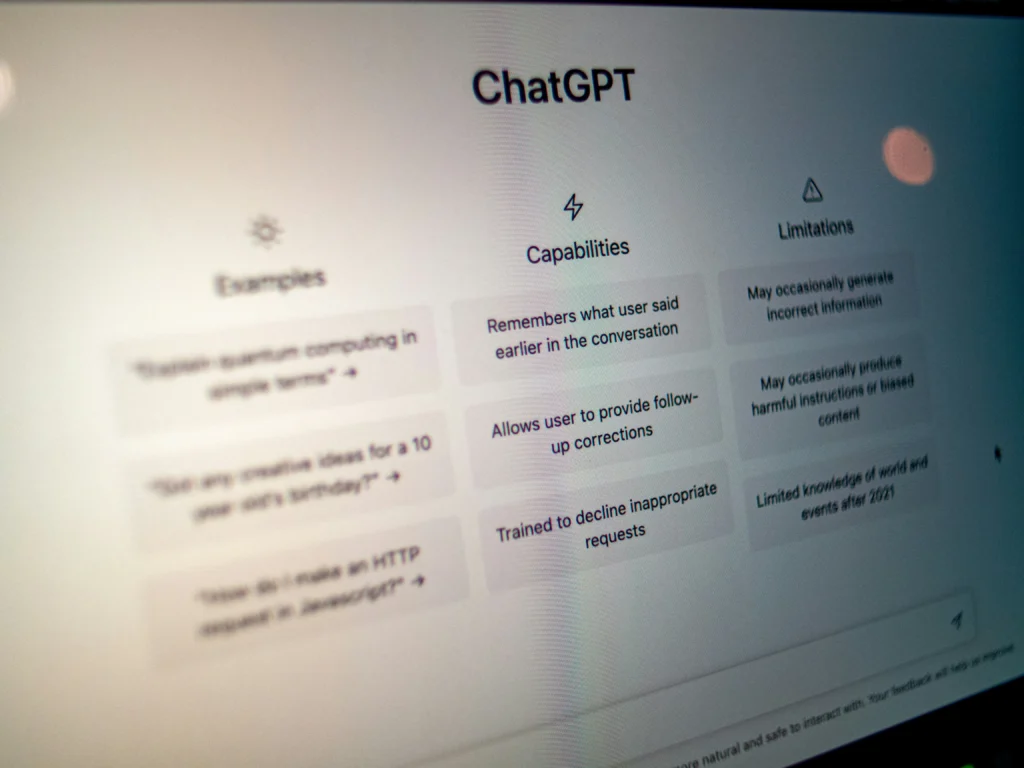
Google says there are no additional requirements to appear in AI Overviews or AI Mode: a page must be indexed and eligible to show in Google Search with a snippet, and normal SEO best practices apply. It also says you don’t need new machine-readable files, AI text files or special markup.
What helps a page get used as an answer is mostly how it is written:
- Answer first. Put the direct answer in the first sentence or two under each question heading, then explain.
- Make each section stand alone, so it still makes sense if it is the only part someone reads.
- Use question headings that match real searches, and lists or tables for steps and comparisons.
How do you improve GEO, being cited by AI tools?
AI tools such as ChatGPT and Perplexity draw on many sources, not just your own site. Being cited depends on the same things that earn links and trust:
- Publish information worth citing: original data, clear definitions, honest comparisons and first-hand results.
- Keep your business details consistent everywhere: name, description, founding year and website on your site, directories and social profiles.
- Be present where your audience asks questions, such as industry forums and professional networks, with genuinely useful answers.
- Check how you appear. Ask AI assistants about your business and topic now and then, and correct wrong information at its source.
Action plan
| Step | What to do |
|---|---|
| 1 | Confirm the update dates on the Search Status Dashboard |
| 2 | A week after it ends, compare a week after with a week before in Search Console |
| 3 | List pages with large drops and compare them with the pages now ranking above them |
| 4 | Improve those pages with first-hand detail and clearer, answer-first structure |
| 5 | Fix technical basics: indexing, speed on mobile, internal links, accurate structured data |
| 6 | Make your business details consistent across your site and profiles |
Frequently asked questions
When did the May 2026 core update happen?
Google’s Search Status Dashboard lists it as starting on 21 May 2026 and taking 11 days and 21 hours to finish rolling out.
Is there a fix for a core update drop?
No specific fix. Google says core updates are broad and don’t target sites. It recommends reviewing your content against its self-assessment questions and making lasting improvements rather than quick changes.
Do I need different strategies for SEO, AEO and GEO?
Mostly no. Google says normal SEO best practices apply to AI Overviews and AI Mode. Writing answer-first, with original information and clear structure, helps all three.
How long should I wait before judging the impact?
Google recommends waiting at least a full week after the update finishes, then comparing a week after with a week before it started.
Want a second opinion on your rankings?
We audit sites against Google’s guidance and fix what is holding them back, from indexing to structured data and content. See our SEO services or ask us to look at your site.
Sources: Google Search Status Dashboard: ranking updates; Google: core updates and your website; Google: AI features and your website; Google: creating helpful, reliable, people-first content. Checked and updated 7 November 2026.